
Try slots demo mode play before you wager real money
Most Australians have seen the little “play for fun” button on a slot screen, but slots demo mode play is often treated as a throwaway preview rather than a deliberate way to learn a game’s rhythm. I’ve spent years building customer-support flows and community operations across iGaming and Web3, and the same pattern shows up everywhere: people rush past the free version and only discover a clunky interface after they’ve deposited. When you treat the demo as a proper testing ground, you spend less time guessing and more time understanding how a title actually behaves.
Why the free version tells a different story
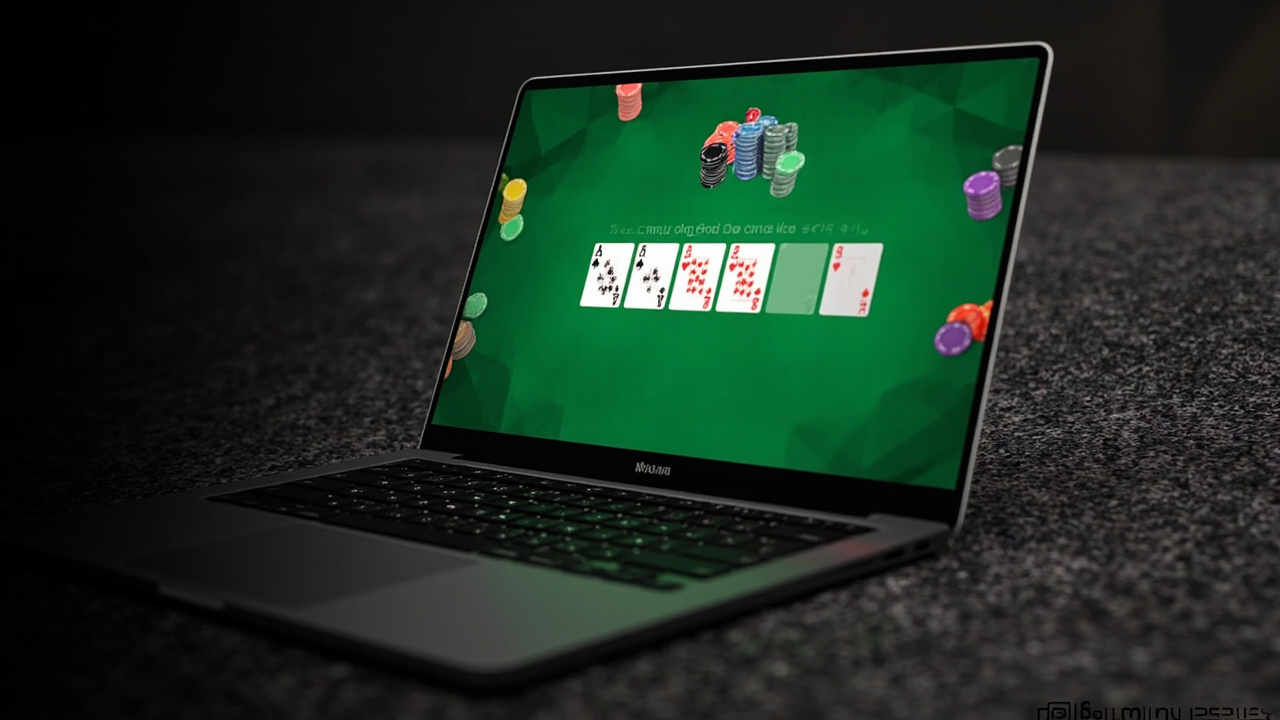
The point of slots demo mode play is not to simulate a win, but to expose how a game communicates with you before any real money is on the line. A well-built demo lets you watch the paytable, the volatility cues, and the bonus triggers without the pressure of a balance dropping by the spin. That matters because a slot can look fine in a thumbnail and still feel noisy, crowded, or hard to read once it’s running.
From a support and operations angle, I’ve seen the same mistake repeatedly: players skip the free run and then flood chat with questions about features they could have spotted in two minutes of demo time. When a platform invests in a clean demo experience, it reduces repetitive tickets and gives players a clearer picture of what they’re signing up for. That’s not a marketing flourish; it’s a practical way to lower confusion before a deposit ever happens.
There’s a contrasting view worth noting. Some operators prefer to keep the demo thin, arguing that a stripped-back preview nudges players toward real-money play faster. A community analyst I’ve worked with pushed back on that, pointing out that a rushed demo usually creates more support volume later, not less. The disagreement is fair on both sides, but my own call is that a thoughtful free version saves everyone time, including the teams fielding the questions.
If you’re weighing up where to start, it take a look helps to compare the demo experience against the same standards you’d use for a live account: clear labels, readable symbols, and a layout that doesn’t hide the basics. A site that treats its free play seriously usually shows the same care in the rest of the product, which is why I’d rather test that side of things first than guess from a promo banner. You can take a look at https://hellspins-win.com/ and see how that kind of presentation feels in practice.
How to read a slot in demo mode without wasting time
Watch the screen, not just the balance
The first habit worth building is to pay attention to the interface itself, not only the numbers ticking up or down. In slots demo mode play, the balance is obvious, but the useful signals are often visual: how the reels settle, whether the paylines are easy to trace, and how much of the screen is taken up by animations or promotional clutter. A game can be perfectly fair and still be annoying to read if the symbols blur together or the bet controls are buried.
I’ve handled enough support queues to know that a lot of confusion starts with layout, not maths. When a player says a feature “came out of nowhere”, it often means the on-screen cues were too subtle or the help text was vague. Spending a few minutes in the demo watching how the game presents its own rules is a better use of time than chasing a big win in free mode and assuming the same rhythm will appear later.
Learn the bonus logic before you change stakes
The second thing to test is how the bonus features behave across a normal run of spins. Demos are useful because you can sit through a full cycle of base game and feature triggers without risking anything, which gives you a feel for how often the game talks about its own bonuses and how dramatic those moments are. That matters more than people expect, because a slot that feels exciting in a short burst can still be tiring if the bonus frequency and animation length don’t suit your attention span.

This is where my background in multilingual support resources comes in handy as a comparison. When we build knowledge bases for different markets, we learn quickly that the same game description can read very differently depending on how the interface explains itself. A demo lets you check that for yourself: does the game make its special rounds easy to recognise, or do you have to infer what just happened from the noise? If the answer is unclear in free play, it won’t magically become clearer once real money is involved.
Judge the pace, not the outcome
The third habit is to judge the pace of the game rather than any result you see in the demo. A free session can’t tell you what will happen over time, and it shouldn’t be treated as a sign that a title is “due” to perform a certain way. What it can tell you is whether the spin speed, the sound design, and the overall tempo suit the way you like to play. Some people want a brisk session with minimal fuss; others prefer a slower, more visual experience. Neither preference is wrong, and the demo is the right place to notice which one fits you.
I’d rather see a player use the demo to decide whether a game’s rhythm matches their session style than use it as a false promise of future results. That distinction keeps the free version useful instead of turning it into a misleading shortcut. If a slot feels right in demo mode, that’s a practical reason to keep it on your shortlist; if it feels cluttered or rushed, there’s no point pretending otherwise.
Who slots demo mode play suits best
Slots demo mode play tends to suit players who want a calmer way to compare titles before they commit any time or money. It’s especially useful if you’re new to a provider’s library, if you’re trying to figure out whether a game’s visuals are readable on a phone, or if you simply like to understand a title’s layout before you touch real stakes. It also helps if you prefer to keep your sessions deliberate rather than impulsive, because the free version gives you room to notice what a game actually asks of you.
It’s less useful if you’re looking for a way to predict outcomes or treat the demo as a rehearsal for guaranteed success, because no free mode can deliver that. The value is in learning the interface, the tempo, and the way the game explains itself, not in building false confidence. For a Brisbane arvo session on a phone, that can be the difference between picking a game you understand and picking one you only think you understand.
When I’m judging a platform from a support and community point of view, I look for the same things I’d want in any Australian-facing service: clear language, sensible navigation, and a demo that feels like part of the product rather than an afterthought. If a site presents its free play in a way that helps you make up your mind without pressure, that’s a decent sign. If it feels like the demo exists only to funnel you somewhere else, I’d be more cautious.

Noah Campbell, Head of Operator Partnerships, Wattle Gaming Partners, has made the practical point that a demo should answer the questions players actually ask later, not just show a flashy reel spin. That’s a useful caveat: a free version is only as helpful as the clarity it gives you before you move on. If you treat slots demo mode play as a way to learn the game’s shape, it earns its place; if you treat it as a promise, it won’t.